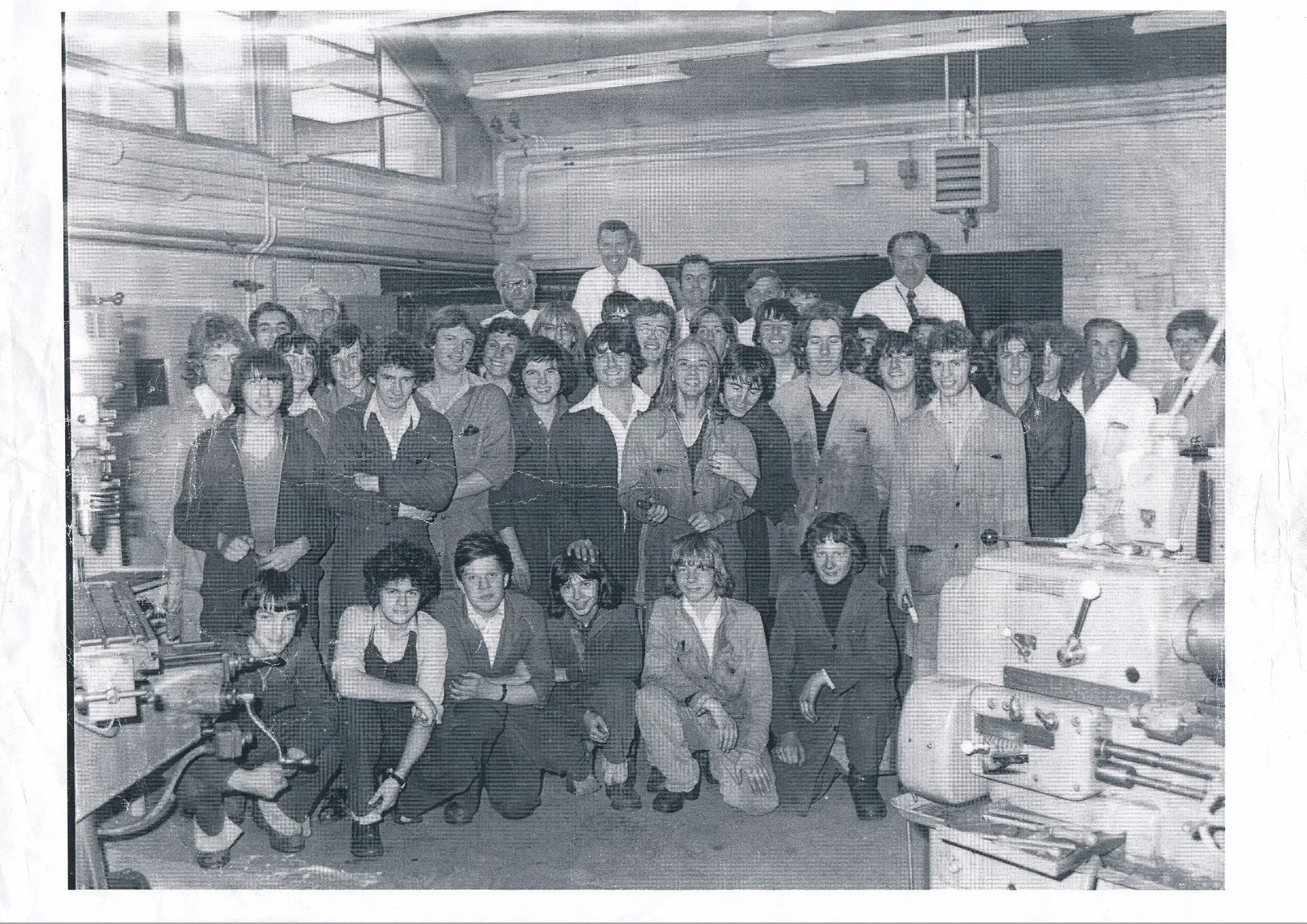
Polgain’s roots go back to Zephyr, a Lowestoft engineering business with more than a century of history. The story begins with pistons and continues to this day with cams and camshafts.
Below, we have collected information and recollections from former employees over the company's many years. Sadly, there are parts of the story that are lost in history, but we have collected as much as we can for your enjoyment and to showcase the extensive work Zephyr and Polgain have accomplished since the early 1900s.
Early years in Lowestoft
Zephyr began around 1910 to 1912 as the engineering partnership James, Talbot & Davison, based at Waveney Works on Freemantle Road. The business was believed to have first been involved in fishing tackle. It then built a reputation for high-quality pistons for competition and high-performance engines.
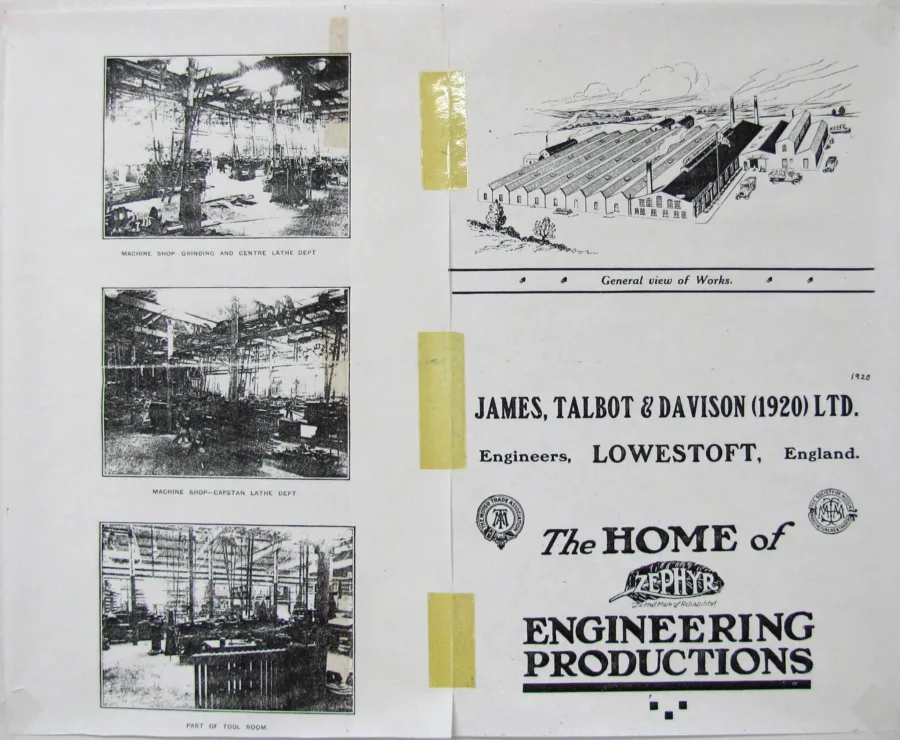
Interestingly, Zephyr pistons were used in racing and record attempts, including A. J. Hancock’s 1914 Vauxhall Prince Henry. This made a respected name for Zephyr in performance engineering.
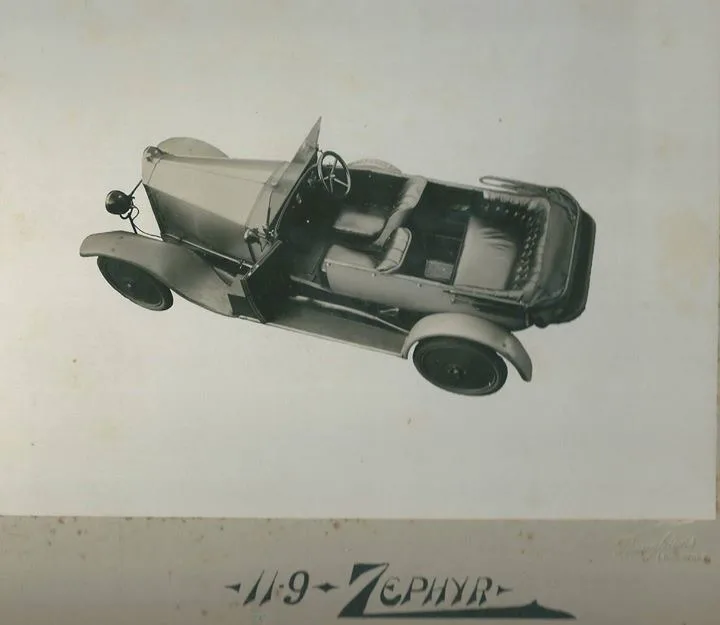
Like many engineering firms, Zephyr turned to munitions work during the First World War. Afterwards, it built the Zephyr Light Car, with a 1,944 cc four-cylinder engine, which was shown at the 1919 Olympia Motor Show. Very few were made, and the company then returned to its strength in pistons and components for the motor industry.
How Zephyr started making cams
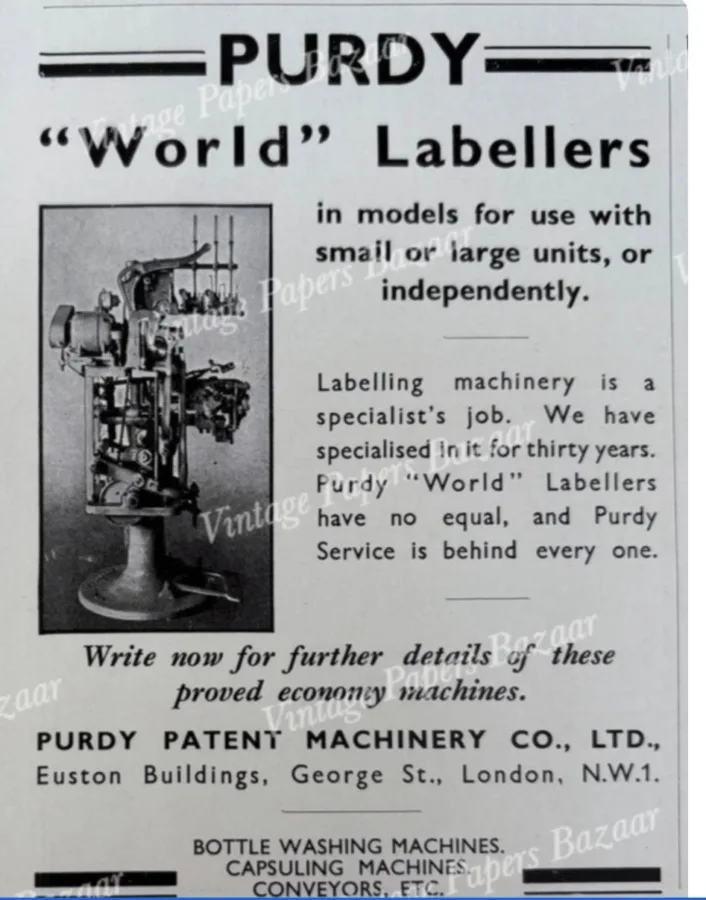
Zephyr’s move into cams came from a practical problem. The company was making Purdy machines under licence, and those machines relied on cams. Getting the cams in was difficult and kept holding up production. Zephyr’s owner, Humphrey Cranfield, decided the company should make its own.
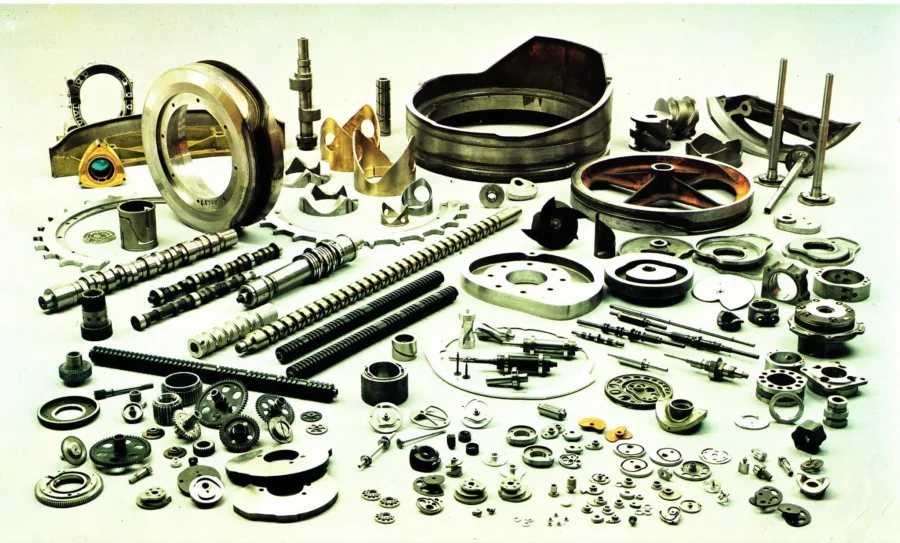
That decision set the direction for everything that followed. Cam manufacturing grew into a business in its own right, and Zephyr moved over fully to making cams and camshafts.
Learning from Eonic
As the cam work developed, one former employee remembered the link Zephyr formed with Eonic, an American cam and camshaft specialist.
It is said that an Eonic director, whose name cannot be recalled, joined the Zephyr board. Through this partnership, Zephyr acquired an American Rowbottom universal cam milling machine. Eonic also supplied plate cam, drum cam and camshaft profile grinding machines, some of which still carried their Eonic nameplates years later.
Growing into Tower Road
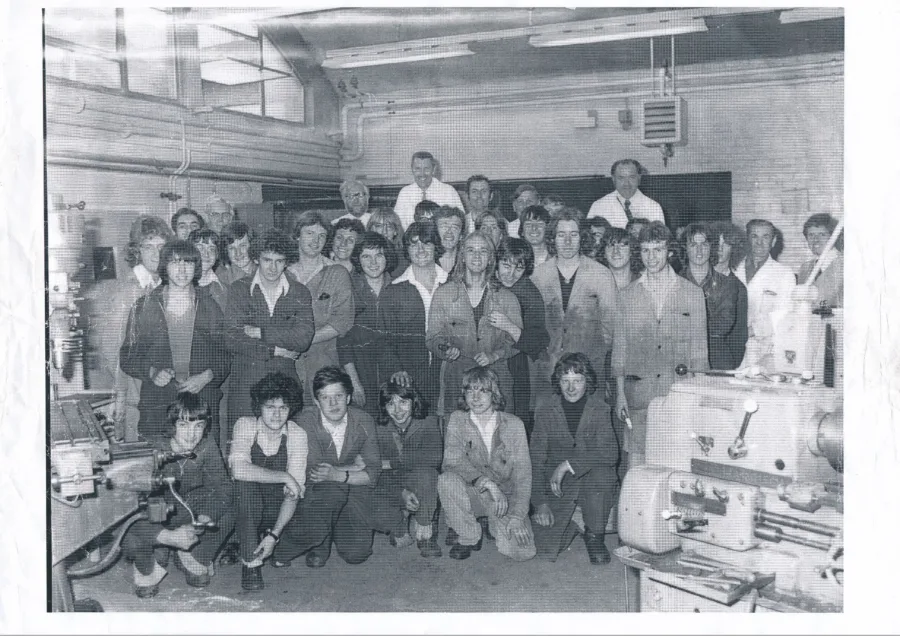
Letters from employees also stated that Zephyr stayed at Freemantle Road until the early 1970s, when it outgrew the site and moved to a larger premises on Tower Road, Lowestoft.
There, it built up the specialist machinery, tooling and know-how that Polgain works with today.
From Zephyr Cams to Polgain
In 2002, Polgain Ltd was established following the acquisition of the Zephyr Cams operation. Polgain still manufactures cams and camshafts for industries including power generation, motorsport, automotive and industrial engines.
Polgain have also progressed into more services, including CNC machining, precision grinding and reverse engineering. This has evolved how the parts are made, but the work is the same: producing accurate cams for machines that depend on them. Customers struggling to get the cams they needed were what started Zephyr’s cam work; Polgain has gone on to grow this business.
If you know of any further information that could be added to the history of Zephyr and Polgain, please contact us via sales@polgain.com and help us recount the rich history behind the business.

Written by
Adrian Bond
Factory Manager
Adrian is the Manager of Polgain Ltd. He has been working at Polgain for more than 24 years, with a further 25 years of experience when the company was known as Zephyr Cams before that. Alongside his role as Factory Manager, his areas of responsibility include, Sales and Estimating. He was involved in the formation of this company in early 2002 and successfully transferred many of the customers from his previous employment when the company closed.