








Our History
The early years of Zephyr
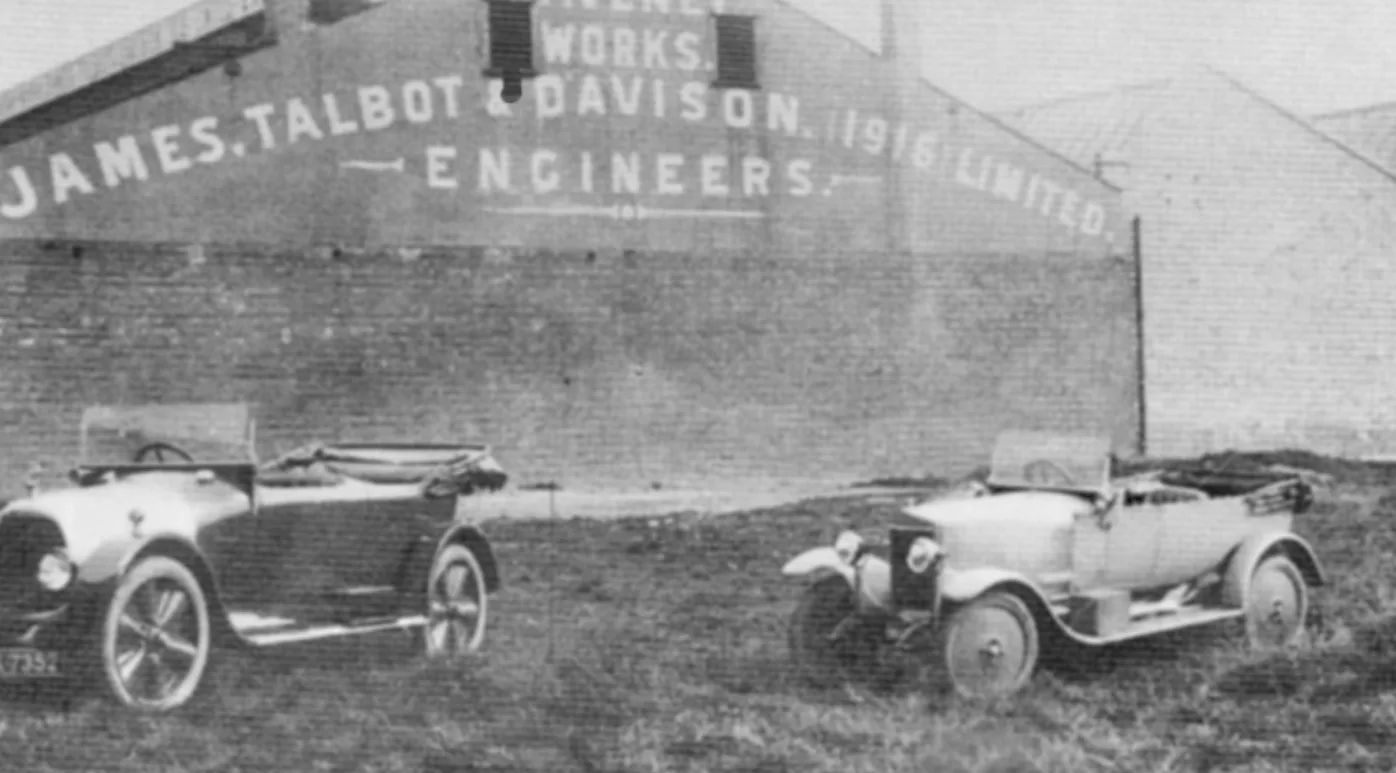
The Zephyr story began in Lowestoft around 1910-1912, with the engineering partnership of James, Talbot & Davison, based at Waveney Works on Freemantle Road. The business is understood to have initially been involved in fishing tackle before developing into motor engineering.
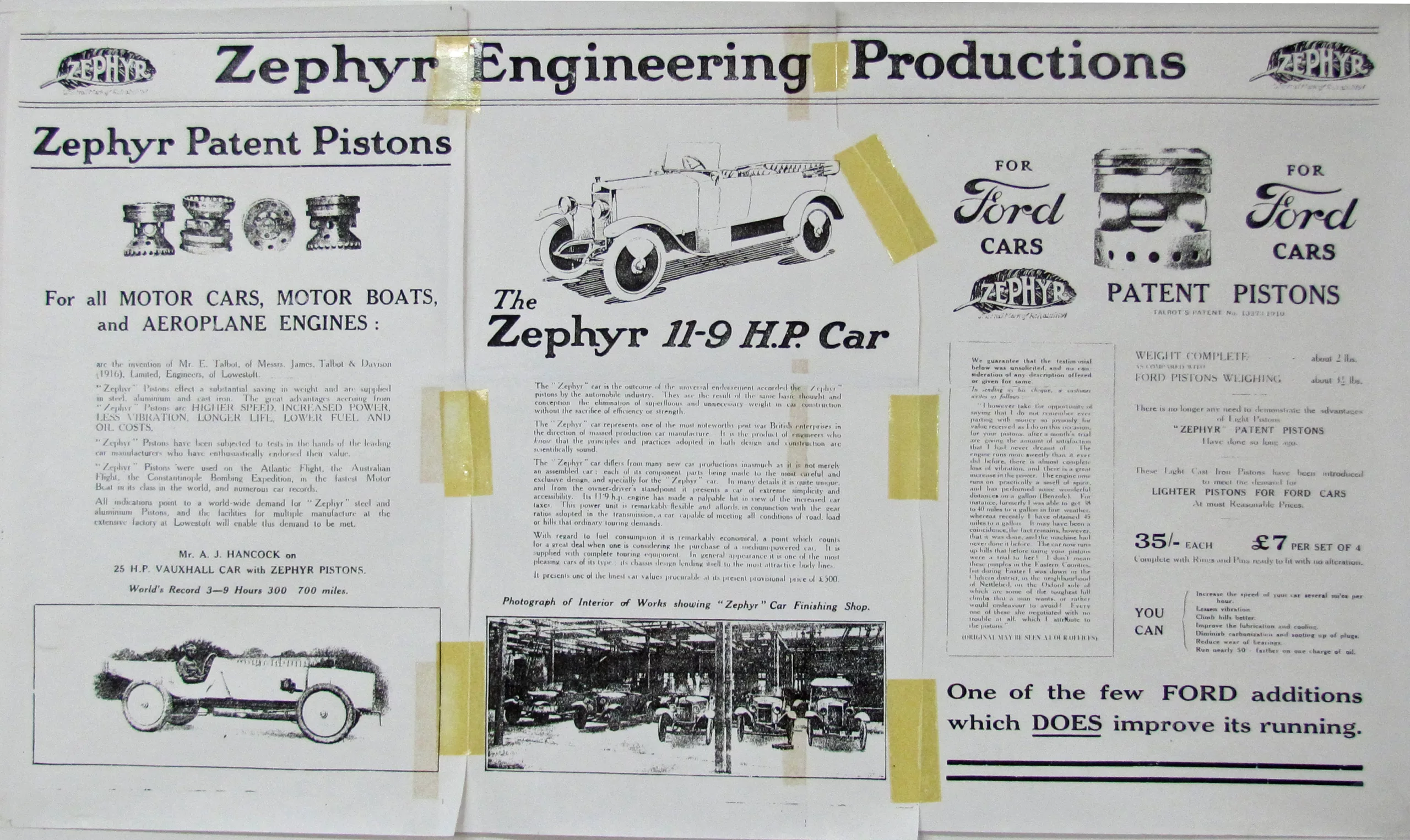
During the early years of the twentieth century, the emerging motor industry created a growing demand for specialist engineering components. Zephyr developed a reputation for the manufacture of high-quality pistons, particularly for competition and high-performance engines.
The quality of these pistons soon became recognised in competition. Zephyr pistons were fitted to engines used in racing and record attempts, including A. J. Hancock’s 1914 Vauxhall Prince Henry. Their success helped establish Zephyr as a respected name in British performance engineering.
Wartime production
Like many British engineering companies, Zephyr’s activities changed during the First World War, when the Lowestoft works became involved in munitions production.
Automobile manufacturer
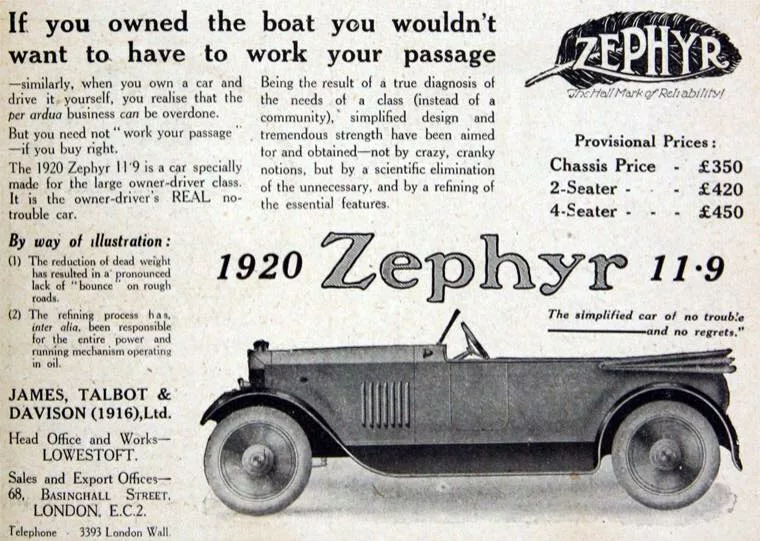
After the war, the company even ventured into automobile manufacture, developing the Zephyr Light Car. The car featured a 1,944 cc four-cylinder overhead-valve engine, four-speed gearbox and shaft drive, and was exhibited at the 1919 Olympia Motor Show.
Although the car itself was produced only in very small numbers, the Zephyr engineering business continued to develop. The company concentrated increasingly on pistons and associated components and became an important supplier to the motor industry.
The development of Zephyr Cams
The later history of Zephyr includes an important connection with Supersign Ltd, a Lowestoft company originally involved in manufacturing road signs.
According to recollections from former Zephyr Cams employees, Supersign used specialist Italian machinery incorporating cams. The cost and difficulty of obtaining replacement components led the company to develop its own cam-manufacturing capability.
Cam manufacture eventually became established as Zephyr Cams, creating a business dedicated to the manufacture of cams and precision-engineered components.
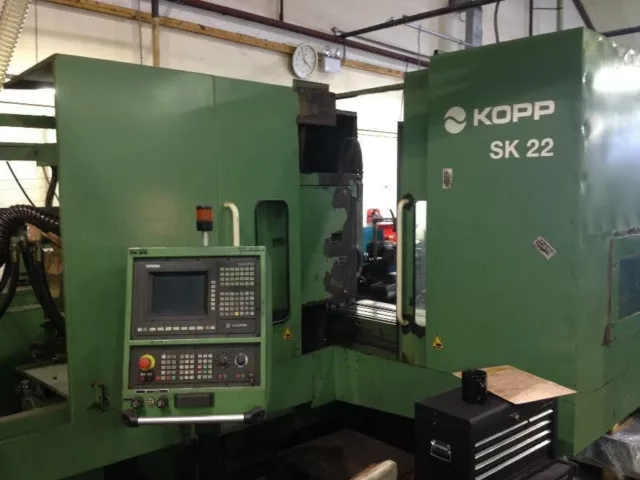
Operating from Tower Road in Lowestoft, Zephyr Cams developed specialist machinery, tooling and manufacturing expertise that would become the foundation for the next chapter of the company’s history.
From Zephyr Cams to Polgain
In 2002, Polgain Ltd was established following the acquisition of the Zephyr Cams operation.
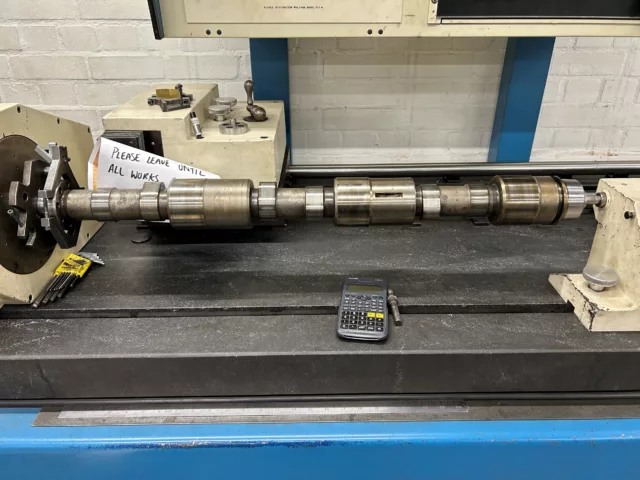
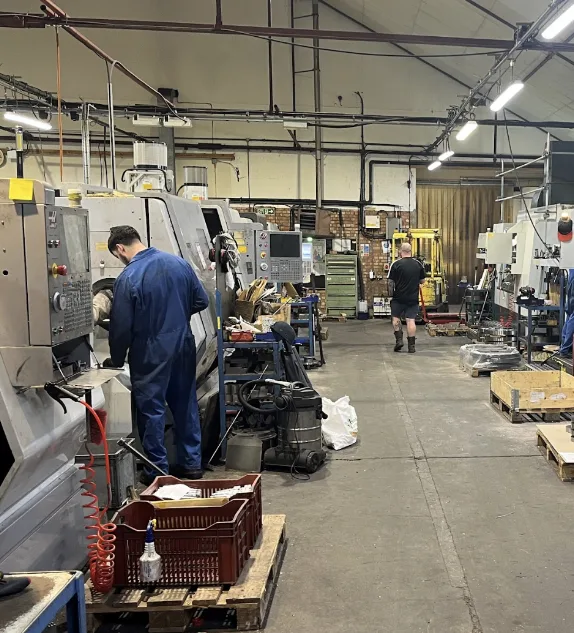
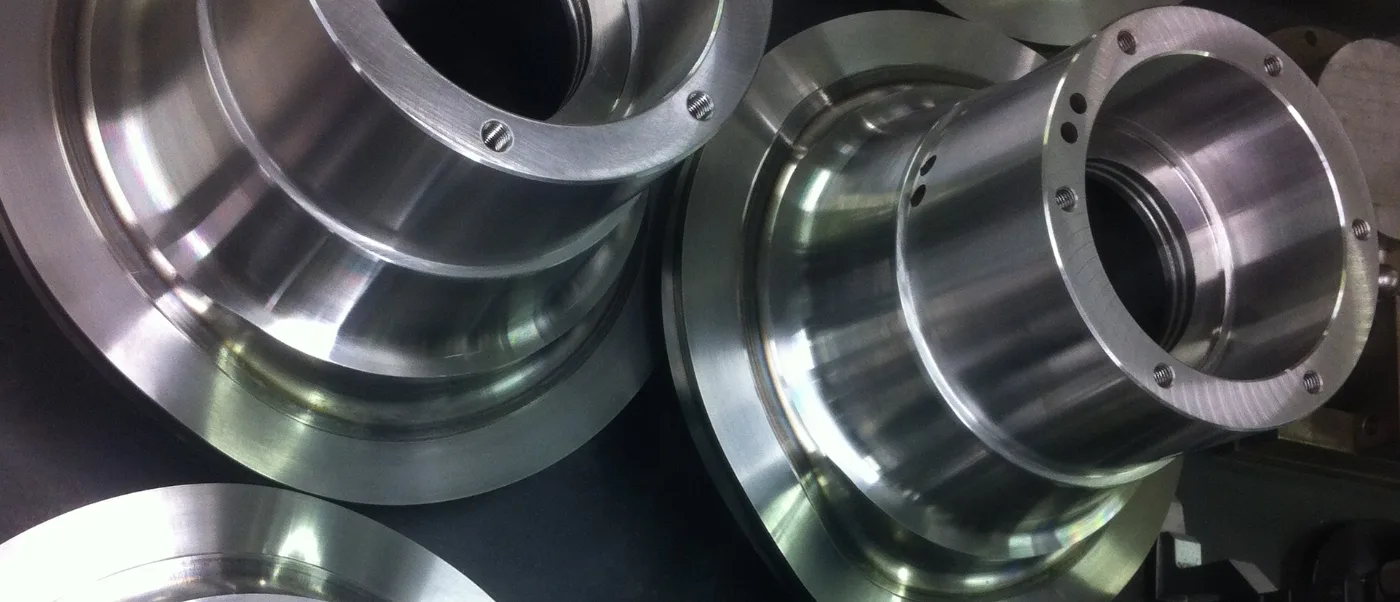
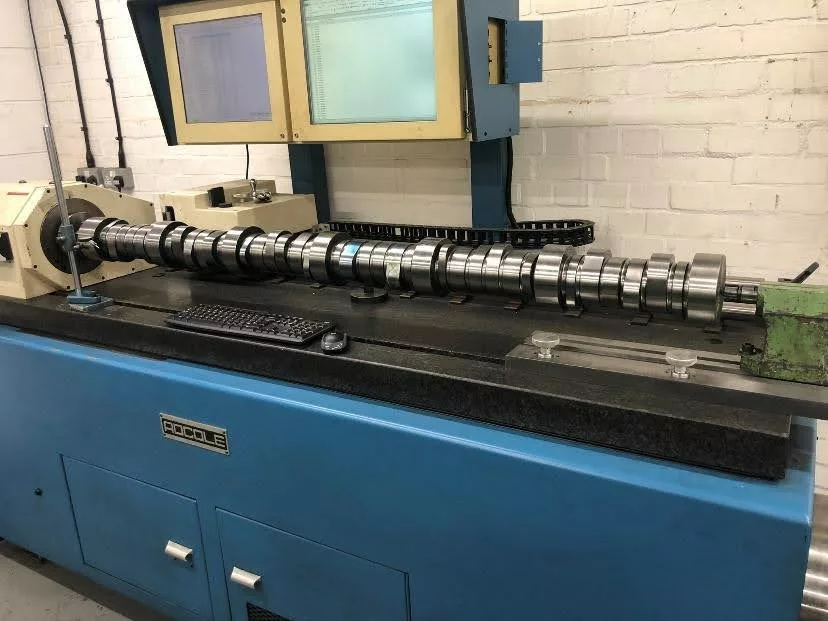
Today, Polgain continues to manufacture specialist cams and camshafts for a wide range of applications, including power generation, motorsport, automotive and industrial engines.
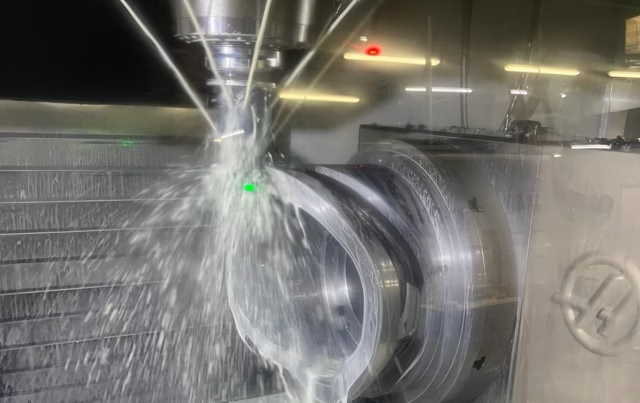
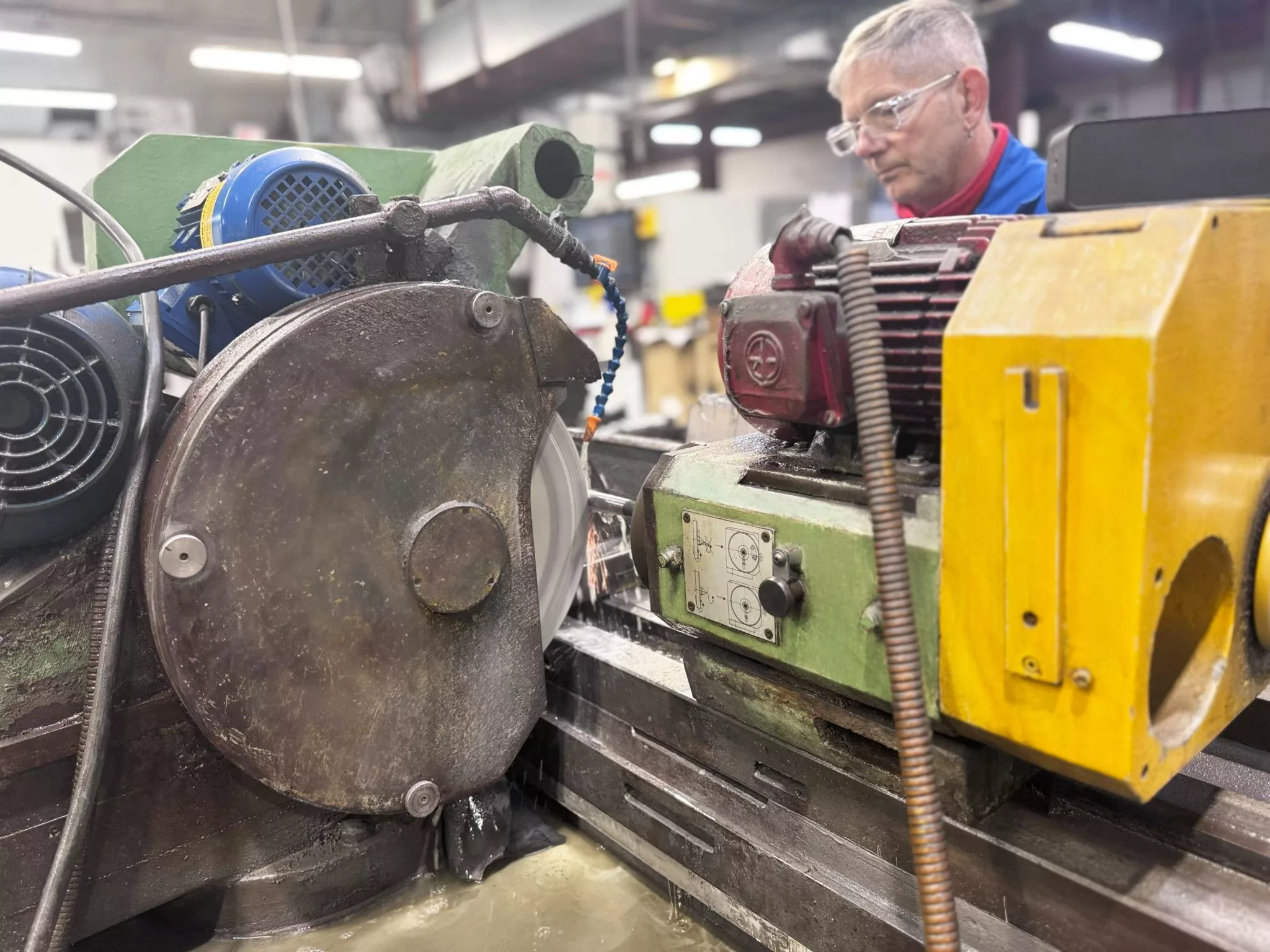
Modern CNC machining, precision grinding and reverse-engineering techniques have transformed the way these components are produced, but the fundamental principles remain unchanged.
Engineering expertise
From the workshops of early twentieth-century Lowestoft, through the pioneering work of Zephyr Pistons and Zephyr Cams, to the modern manufacturing facilities of Polgain, the company continues a remarkable tradition of specialist British engineering.
More than a century after the Zephyr name first appeared, its legacy lives on in every camshaft manufactured by Polgain.